
Experience Ibiza's Enduring Grape Treading Tradition
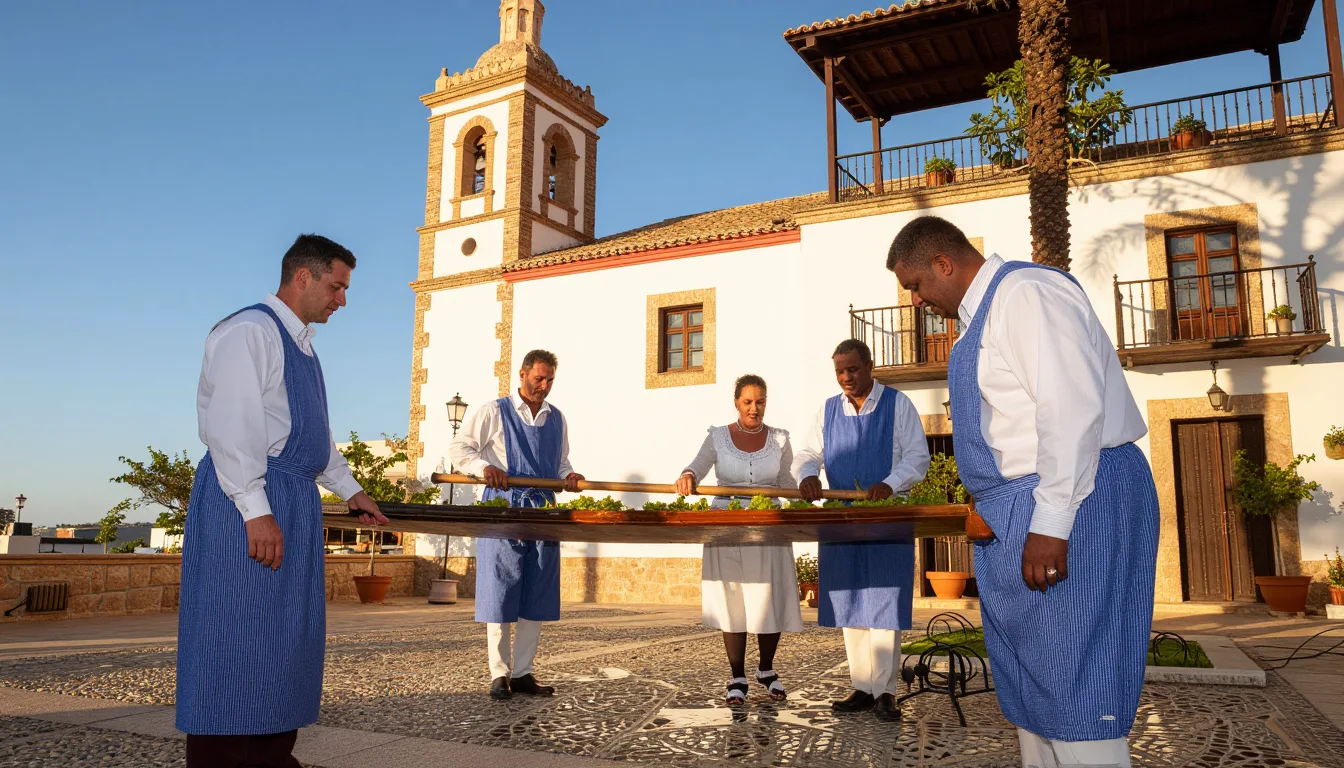
Ibiza, known globally for its vibrant nightlife and stunning beaches, holds a rich tapestry of traditions that extend far beyond its party scene. One such custom, the annual fonyada de raïm – or traditional Ibiza grape treading – offers a unique glimpse into the island's agricultural past and present. If you're looking for an authentic cultural experience, this age-old practice, recently celebrated in the village of Jesús, provides a genuine connection to Ibiza's deep-rooted heritage. It's a joyful, community-led event where locals, from toddlers to elders, come together to transform freshly harvested grapes into the raw material for wine, creating a lively atmosphere filled with laughter and traditional spirit.
The fonyada de raïm is more than just a grape-treading event; it's a celebration of community, harvest, and the continuity of Ibicencan culture. The specific event held in Jesús on Saturday, August 30, 2026, showcased the typical festive mood. The village square filled with barefoot children, members of the local festival commission, cameras, and curious onlookers, all eager to participate or witness the lively scene. Participants are encouraged to "tread harder, as if you were dancing pagès"—a reference to traditional Ibicencan folk dancing—which injects an energetic rhythm into the process. This blend of work and play epitomizes the island's communal spirit, inviting visitors to experience an authentic side of Ibiza that often goes unnoticed by those focused solely on the nightlife.
What is the 'Fonyada de Raïm' and How Does it Work?
The fonyada de raïm involves the manual treading of grapes in a fonyador (lagar, or traditional press). This technique, passed down through generations, ensures a gentle extraction of juice while preserving the grape's unique characteristics. In Jesús, the event sees an impressive quantity of grapes processed; organisers like Maribel Juan estimate that between 200 and 300 kilos of "grapes from the neighbours" are trodden each year, along with local varieties provided by sources like Can Marines. Children are often the first to climb into the lagar, their small feet perfect for the task. Laia and her sister, for instance, have been participating since they were babies, becoming unofficial guardians of the starting order by arriving early to ensure their spot.
Initially, the sensation of treading grapes might be a bit unusual for newcomers, especially children. Lina, whose daughters are regulars, recalls them saying the grapes "pricked their feet" at first, but they quickly got used to it over the years. This hands-on experience allows participants to connect directly with the agricultural process, feeling the texture of the grapes underfoot and witnessing the juice flow. It's an immersive activity that creates lasting memories and offers a tangible link to the island's history of winemaking. If you're keen to explore more about Ibiza's artisanal traditions, consider checking out other Art & Culture experiences.
Beyond the Lagar: More Festivities in Jesús
The grape treading in Jesús is typically part of a larger celebration, making the village an excellent destination for a day of cultural immersion. Alongside the fonyada de raïm, the festivities often include a vibrant handicraft fair. Here, local artisans display and sell their unique creations, offering a chance to discover traditional Ibicencan craftsmanship and pick up authentic souvenirs. The town square also hosts a variety of wooden games, providing entertainment for all ages, particularly for families with children. Additionally, craft workshops are often organised, allowing visitors to engage further with local traditions and learn new skills. These complementary activities ensure that even if you're not treading grapes yourself, there's plenty to see and do, all steeped in local flavour.
Planning Your Visit: When and Where Can You Find These Events?
Traditional grape treading events like the fonyada de raïm usually take place during the grape harvest season, typically in late August or early September. The specific event mentioned in Jesús was held on August 30, 2026, indicating this period as the prime time for such cultural celebrations. Jesús is a charming village located in the municipality of Santa Eulària des Riu, easily accessible by car or local bus services from Ibiza Town. While the fonyada in Jesús is a prominent example, similar smaller-scale events might occur in other rural villages across the island, though specific public announcements would be necessary for details. To truly immerse yourself in the island's authentic side, exploring these smaller communities is highly recommended. For those looking to delve deeper into the island's quieter corners, consider a tour like Hidden Ibiza: villages, viewpoints and local flavours, which often includes stops at such traditional locales. Always check local listings closer to the harvest season for exact dates and locations of these unique events.
Understanding the traditional fonyada de raïm is key to appreciating Ibiza's agricultural past and its ongoing efforts to preserve its cultural identity. This tradition offers a stark, yet enriching, contrast to the island's modern reputation. It’s a reminder that beneath the vibrant club scene and popular beaches, there is a resilient rural community that cherishes its customs and connection to the land. Participating in or even just observing these events provides a rare and valuable opportunity to witness the genuine spirit of the islanders. It highlights Ibiza's dedication to its heritage, from its indigenous grape varieties to its communal celebrations, and offers a delicious insight into the island's Food & Drink traditions. By embracing these unique cultural experiences, visitors can gain a more profound understanding of what truly makes Ibiza special, connecting with a side of the island that is both ancient and enduring.
---
Sources
- Diario de Ibiza — https://www.diariodeibiza.es/ibiza/2026/08/30/pisa-bailaras-pages-jesus-vuelve-133770021.html